Blog
Travel has the extraordinary power to transform not just the traveler, but the destinations and communities they visit. Yet this power comes with profound responsibility. Every booking decision, every interaction with local culture, and every footprint left behind shapes the future of the places we cherish. The question is no longer simply where to go, but how to travel in ways that enrich rather than exploit.
The modern traveler faces a complex landscape of choices: sustainable lodges versus greenwashed resorts, authentic cultural experiences versus staged performances, fair-trade tourism versus economic leakage. This shift toward conscious travel isn’t about sacrifice—it’s about depth, meaning, and impact. Whether you’re planning your first carbon-neutral itinerary, navigating dynamic pricing algorithms, or ensuring your spending supports local artisans rather than multinational chains, understanding these interconnected dimensions transforms travel from consumption into contribution.
This exploration connects the dots between environmental stewardship, cultural respect, adventure safety, technological savvy, economic justice, and labor ethics. These aren’t separate concerns but threads in the same tapestry, each influencing how we move through the world and the legacy we leave behind.
Why Sustainable Travel Matters More Than Ever
The environmental footprint of tourism extends far beyond carbon emissions from flights. It encompasses the entire ecosystem of choices travelers make, from the moment they begin planning to long after they return home.
Understanding Your Environmental Impact
A carbon-neutral itinerary requires examining transportation modes, accommodation energy practices, and consumption patterns. Consider that a single international flight can produce emissions equivalent to months of driving, yet strategic choices like direct routes, economy seating, and carbon offset programs can significantly reduce this impact. On the ground, selecting green-certified lodges over greenwashed alternatives demands critical evaluation: Does the property demonstrate measurable environmental practices, or merely display symbolic gestures like towel reuse programs while ignoring water waste and energy consumption?
Conservation Tourism as Economic Engine
The economics of conservation tourism reveal a powerful truth: protected habitats generate more long-term value when preserved than when exploited. Wildlife viewing in national parks creates sustainable employment for guides, rangers, and hospitality workers, while habitat destruction offers only short-term extraction profits. Travelers supporting these models through entrance fees and ethical tour operators directly fund habitat protection and anti-poaching efforts.
Practical Steps for Low-Impact Travel
Zero-waste packing transforms good intentions into tangible results. Strategies include:
- Reusable containers for toiletries instead of single-use hotel bottles
- Collapsible water bottles with filtration systems to avoid plastic waste
- Digital tickets and documents to eliminate paper consumption
- Reef-safe sunscreen and biodegradable products to protect aquatic ecosystems
The error of disturbing wildlife often stems from ignorance rather than malice. Maintaining proper distances, avoiding flash photography near sensitive species, and choosing observation over interaction protects animal welfare while ensuring authentic encounters.
Cultural Immersion Without Cultural Harm
Authentic cultural engagement sits on a delicate balance between appreciation and appropriation, between economic benefit and commodification. The difference lies in approach, respect, and understanding power dynamics inherent in tourism.
Distinguishing Living Heritage From Staged Authenticity
Living heritage emerges organically from communities practicing their traditions for themselves, not audiences. Staged authenticity, by contrast, manufactures “traditional” experiences designed for tourist consumption. The former invites you into genuine cultural moments; the latter performs culture as commodity. Recognizing this distinction requires asking: Would this ceremony, craft, or practice occur without tourist presence? Do community members participate voluntarily and benefit equitably?
The Value of Oral Traditions and Artisan Engagement
Oral traditions carry generations of knowledge, history, and identity. When travelers engage respectfully—listening attentively, asking permission before recording, and compensating storytellers fairly—they help preserve these intangible cultural assets. Similarly, engaging with artisans goes beyond purchasing souvenirs. It means understanding the skill, time, and cultural significance embedded in handmade goods, paying fair prices that reflect true value, and buying directly from creators rather than intermediary shops that extract profit.
Navigating Sacred Spaces and Rituals
The risk of commodifying sacred rituals intensifies when economic pressures encourage communities to monetize their most intimate spiritual practices. Respectful tourism means recognizing boundaries: some ceremonies aren’t meant for outsiders, regardless of willingness to pay. When attendance is appropriate, travelers should follow community guidelines on photography, dress codes, and participation levels. Timing visits for cultural festivals can provide enriching experiences, but only when travelers position themselves as respectful observers rather than entitled spectators.
Adventure Travel: Balancing Thrills With Safety
High-adrenaline experiences offer profound personal growth, but managing risk requires understanding both the physiology of fear and the practical realities of wilderness environments. The line between calculated risk and recklessness often determines outcomes.
The physiology of adrenaline versus fear reveals an important distinction: adrenaline is your body’s performance enhancer, sharpening focus and physical capability. Fear, when overwhelming, impairs judgment and coordination. Proper preparation channels adrenaline productively while minimizing paralyzing fear. This preparation encompasses multiple dimensions: fitness conditioning specific to planned activities, gear certification verification (checking that climbing equipment, helmets, and safety systems meet recognized standards), and honest assessment of skill levels.
The guided expedition versus self-guided debate isn’t about ego—it’s about competence matching. Experienced mountaineers may safely navigate routes independently; novices attempting the same invite disaster. Professional guides bring local knowledge, emergency response training, and risk assessment expertise that no guidebook can replicate. The error of underestimating altitude sickness exemplifies why expert guidance matters. Altitude illness doesn’t discriminate based on fitness level; it strikes unpredictably and can prove fatal when ignored. Recognizing early symptoms and implementing proper acclimatization protocols requires knowledge that comes from experience or expert instruction.
Optimizing fitness preparation for trips transforms abstract adventure plans into achievable goals. A trekking expedition demands cardiovascular endurance, load-bearing strength, and joint stability built over months, not weeks. Specific training—hiking with weighted packs, altitude simulation where possible, and flexibility work to prevent injury—makes the difference between enjoying the journey and merely surviving it.
Technology as Your Travel Planning Ally
Smart travel planning harnesses technology not as a replacement for human judgment but as a tool for informed decision-making. Understanding the mechanisms behind pricing, booking platforms, and digital navigation transforms travelers from passive consumers into strategic planners.
Decoding Dynamic Pricing and Booking Strategies
The mechanism of dynamic pricing uses algorithms that analyze demand patterns, competitor rates, and historical data to adjust prices in real-time. Airlines and hotels increase rates as availability decreases or demand spikes around events and holidays. Setting up advanced price alerts levels this playing field, notifying you when rates drop within your target range. The optimal booking window varies by destination and season, but patterns emerge: domestic flights typically price best 6-8 weeks out, international flights 2-4 months ahead, and hotels often offer deals in the 2-3 week window when properties grow anxious about unsold inventory.
The aggregator versus direct booking decision involves trade-offs. Aggregators offer convenient comparison shopping and occasionally exclusive package deals. Direct booking often provides better cancellation flexibility, loyalty program benefits, and customer service responsiveness. The risk of “ghost booking” scams—fraudulent listings on third-party platforms for properties that don’t exist or aren’t actually available—emphasizes the importance of verification through multiple sources and secure payment methods.
Augmented Reality: Enhancing Rather Than Replacing Experience
Augmented reality apps for historical sites and city navigation offer remarkable educational potential. Pointing your device at ancient ruins to see reconstructions, or following AR navigation overlays in unfamiliar cities, deepens understanding and reduces logistical stress. The cognitive impact of interactive learning enhances retention; experiencing history through multiple sensory channels creates stronger memories than passive observation.
Yet the screen-based versus audio-first immersion debate highlights a genuine concern: the danger of “zombie walking.” Travelers so focused on screens miss immediate surroundings, creating safety hazards and ironically disconnecting from the places they’re trying to explore. Audio-first tools—podcasts, audio guides, and voice navigation—keep eyes free for actual observation. Optimizing battery usage while touring means downloading offline maps, using airplane mode between uses, and carrying portable chargers, ensuring technology serves rather than limits exploration.
Economic Impact: Where Your Travel Dollars Really Go
Tourism’s economic promise often fails to materialize for local communities due to a phenomenon called economic leakage—when tourist spending flows out of destinations back to foreign-owned corporations. Understanding and counteracting this leakage transforms travel into genuine economic development.
Identifying Community-Owned Enterprises
Community-owned enterprises return profits directly to local stakeholders. These include locally-owned guesthouses, family restaurants using regional ingredients, and tour companies employing community guides. Identification requires asking direct questions: Who owns this business? Where are profits invested? Are employees local residents? Supporting these enterprises creates multiplier effects as spending circulates through local economies, funding education, healthcare, and infrastructure.
Voluntourism Versus Skilled Volunteering
The voluntourism versus skilled volunteering distinction matters enormously. Unskilled voluntourism—building schools without construction expertise, teaching English without educational training—often creates more problems than solutions, displacing local workers and delivering substandard results. Skilled volunteering matches specific expertise with genuine community needs, operates through established organizations with community relationships, and involves long-term commitment rather than brief feel-good experiences. The risk of cultural dependency arises when communities begin structuring activities around tourist volunteers rather than developing sustainable local capacity.
Timing visits to spread economic impact means considering off-season travel. This strategy reduces overcrowding stress on popular destinations while providing crucial income during slower periods, enabling tourism businesses to maintain year-round employment rather than seasonal hiring.
Ethical Hospitality: Ensuring Fair Treatment Behind the Scenes
The hospitality sector’s glamorous front often obscures exploitative labor practices. Conscious travelers look beyond thread counts and amenities to investigate how workers who make comfortable stays possible are themselves treated.
Certifying ethical labor practices in hospitality involves third-party verification programs that audit wages, working conditions, and worker rights. The criteria for fair trade in tourism include living wages (not just minimum wage), reasonable working hours, safe conditions, and freedom from discrimination. Asking the right questions before booking signals demand for ethical practices: Does the property pay living wages? What are staff turnover rates? Are workers represented by unions or employee organizations?
The unionized hotels versus non-union chains comparison reveals significant differences in worker protections, wages, and job security. While unionization alone doesn’t guarantee perfect conditions, it provides workers collective bargaining power and grievance procedures. The danger of supporting forced labor in tourism supply chains is real and documented in certain regions, where migrant workers face debt bondage, passport confiscation, and exploitative conditions. Researching properties through human rights organizations and choosing certified businesses helps avoid complicity.
Optimizing tips to ensure they reach staff means understanding local tipping cultures and hotel policies. Some properties pool and fairly distribute gratuities; others allow management to take cuts or prohibit tipping entirely while failing to compensate through wages. When possible, hand tips directly to service providers in cash, ensuring your appreciation reaches those who earned it.
The journey toward conscious travel isn’t about perfection—it’s about progress, awareness, and intention. Each decision to prioritize sustainability over convenience, cultural respect over consumption, and ethical treatment over cost savings contributes to a tourism model that enriches all participants. As you deepen your understanding of these interconnected dimensions, travel transforms from a checklist of destinations into a practice of mindful engagement with our diverse, fragile, magnificent world.

Fair-Trade Tourism: A Guide to Spotting Hotels That Genuinely Treat Staff Fairly
Trusting a “fair trade” label isn’t enough; true ethical tourism requires you to become an active auditor of a hotel’s labor practices. Fairness extends beyond wages to include benefits, career growth, and protection from harassment. Scrutiny must cover the entire…
Read more
Beyond Souvenirs: How to Ensure Your Tourist Dollars Actually Benefit Local Communities
The biggest mistake responsible travelers make is focusing on *what* they buy, not *where* their money ultimately flows after the transaction. Most tourism revenue “leaks” out of local economies, especially through all-inclusive resorts and their global supply chains. True economic…
Read more
AR Guides: Can Augmented Reality Make History Museums Exciting for Gen Z?
The key to engaging Gen Z with AR in museums isn’t the technology itself, but the curatorial shift from displaying objects to directing immersive, story-driven experiences. Augmented Reality boosts visitor retention and engagement by providing narrative context and emotional resonance,…
Read more
Booking Apps: How to Use Algorithms to Find Hidden Travel Deals?
The secret to cheap travel isn’t being flexible; it’s understanding the algorithms that set the prices and turning them in your favor. Dynamic pricing isn’t random. It’s a calculated system reacting to your digital footprint, which you can learn to…
Read more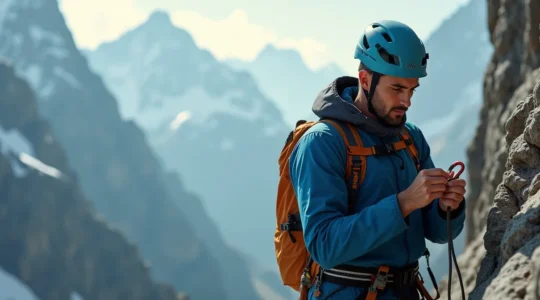
Adventure Tourism: How to Assess Operator Safety Before Booking a Risk Activity?
The greatest risk in adventure travel isn’t the activity itself, but choosing an operator with a flawed safety system. Effective safety assessment goes beyond surface checks; it requires inspecting an operator’s systemic approach to risk, training, and emergency protocols. Objective…
Read more
Intangible Cultural Heritage: How to Experience Local Traditions Without Exploiting Them?
Many travelers believe respecting a culture means following a checklist of dos and don’ts. This is a respectful start, but it misses the point. True cultural immersion isn’t about avoiding mistakes; it’s about fundamentally shifting your role from a consumer…
Read more
Beyond the Footprint: A Guide to Eco-Travel That Actively Heals the Planet
Traveling with a conscience isn’t about leaving no trace, but about leaving a positive, lasting impact. Your tourist dollars can be the most direct line of funding for wildlife protection and anti-poaching units. Genuine sustainability is verifiable through third-party certifications…
Read more