In summary:
- Traditional restaurant supply chains are often inefficient, costly, and fragile, relying on multiple intermediaries.
- Shifting to a direct farm-to-table model isn’t just about freshness; it’s a strategic move to lower food costs by cutting out middlemen and reducing waste.
- This approach requires a flexible, harvest-driven menu design and a diversified “portfolio” of farm partners to manage risk.
- Ultimately, farm-to-table sourcing builds a more resilient, transparent, and financially efficient supply ecosystem that resonates with modern consumers.
For most restaurateurs, the supply chain is a constant source of frustration. It’s a world of fluctuating prices from distributors, inconsistent ingredient quality, and the logistical nightmare of managing inventory that travels hundreds, if not thousands, of miles. You’re at the mercy of a long, opaque chain where markups are stacked at every step, and the connection to the food itself feels distant. The common advice is to shop around for better distributors or negotiate harder, but this only treats the symptoms of a fundamentally broken system.
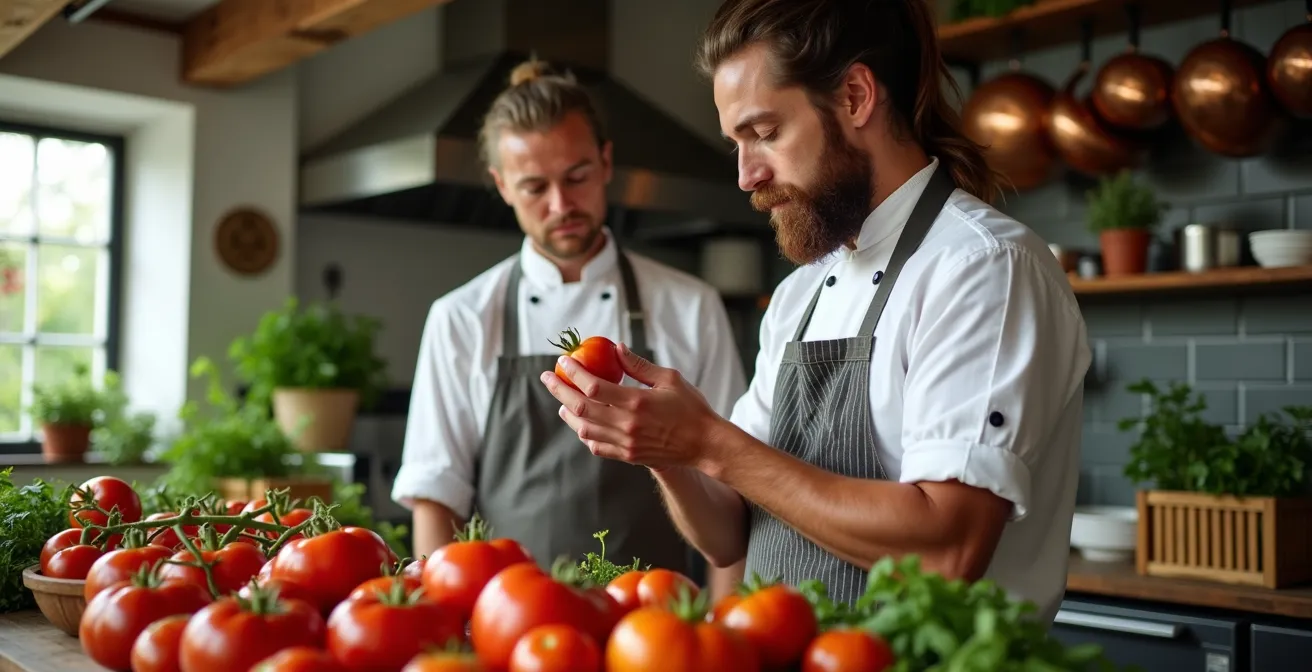
This approach fails to address the core vulnerabilities: a lack of transparency, fragility in the face of disruption, and a financial model that siphons profit away from both the grower and the chef. But what if the solution wasn’t to find a better link in the chain, but to dismantle the chain altogether? The farm-to-table movement is often romanticized for its focus on freshness and localism, but its true power lies in a radical operational pivot. It’s about building a direct, resilient, and data-driven supply ecosystem, not just a shorter chain.
This guide moves beyond the platitudes to provide a business-savvy blueprint for this transition. We will explore how direct sourcing can paradoxically lower costs, how to design menus that embrace seasonality, and how to manage the logistical risks involved. By reframing your sourcing as a strategic asset, you can build a more profitable, ethical, and durable restaurant business from the ground up.
This article provides a comprehensive operational framework for shifting your restaurant to a direct sourcing model. Below is a summary of the key strategies we will cover, from initial cost analysis to advanced risk management.
Summary: How Farm-to-Table Sourcing Builds a Resilient and Profitable Restaurant Supply System
- Why Buying Direct From Farmers Can Actually Lower Food Costs?
- How to Design a Flexible Menu That Changes With Weekly Harvests?
- Freshness or Availability: Which Sourcing Strategy Builds Loyalty?
- The Volume Trap: Relying on a Single Farm for Your Core Ingredient
- How to Organize Shared Deliveries With Neighboring Restaurants?
- Strategies for Capital Efficiency When Venture Funding Dries Up?
- How Predictive Analytics Reduces Supply Chain Disruptions by 40%?
- Why “China Plus One” Is the New Standard for Risk Management?
Why Buying Direct From Farmers Can Actually Lower Food Costs?
The prevailing myth is that sourcing directly from farms is a luxury reserved for high-end dining, inevitably leading to higher costs. While premium, unique ingredients can command higher prices, a strategic shift to a direct sourcing model can systematically lower your overall food expenditure. The primary reason is the elimination of the middleman. Traditional distribution involves multiple layers—consolidators, distributors, and wholesalers—each adding their own markup, transportation fees, and storage costs. By establishing a direct relationship with a producer, you bypass these accumulated costs and pay a price closer to the true cost of production.
Furthermore, direct communication drastically reduces food waste, a significant drain on any restaurant’s budget. You can coordinate precise quantities and delivery times, ensuring you receive produce at its peak freshness with minimal spoilage. This is a stark contrast to bulk ordering from a distributor, where items may have already spent considerable time in transit and storage. This economic viability is not just theoretical. According to USDA data, the market has proven the model’s success, with farm-to-table sales growing from $4.8 billion in 2008 to $12.2 billion in 2014.
Finally, this model fosters a partnership where both parties are invested in efficiency. Farmers can provide you with “seconds”—produce that is perfectly delicious but cosmetically imperfect—at a significant discount, ideal for sauces, soups, and purees. This collaborative approach transforms your supply chain from a simple transaction into a strategic financial alliance, where cost savings are a byproduct of a more efficient and ethical system.
How to Design a Flexible Menu That Changes With Weekly Harvests?
Transitioning to farm-to-table sourcing requires a fundamental shift in menu philosophy: you must move from a static, supply-driven menu to a dynamic, harvest-driven operational model. Instead of designing a dish and then sourcing the ingredients, you receive the harvest and then design the menu around it. This agility is the key to both maximizing freshness and managing costs effectively. The most successful approach is to build a “pantry” or “larder” style menu based on modular components rather than fixed dishes.
This means your menu features core elements that can be combined in various ways. For instance, you might have a constant of a high-quality protein or a base grain, but the accompanying vegetables, sauces, and garnishes rotate based on what is delivered that week. A dish could be “Pan-Seared Scallops with Seasonal Risotto,” where the risotto’s flavor profile—be it asparagus and pea in spring or squash and sage in autumn—is the flexible component. This strategy gives customers consistency in the core offering while providing the novelty of seasonal variation.
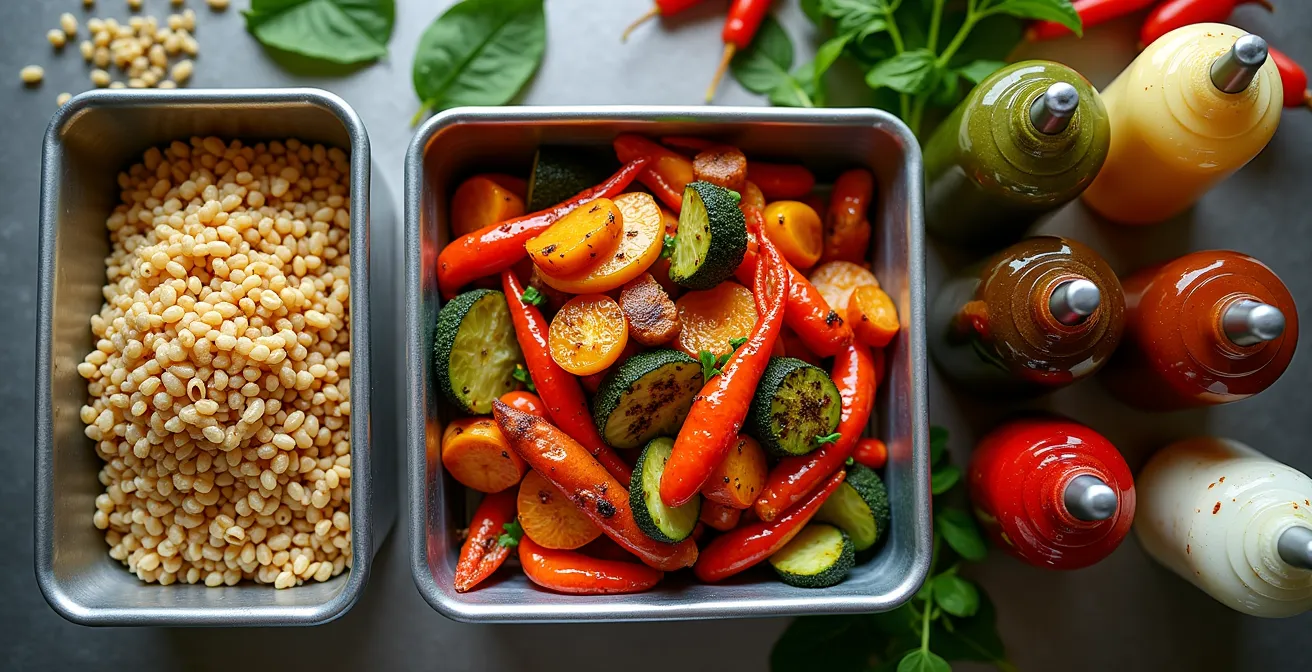
As the visual above demonstrates, an organized prep station with versatile, ready-to-use components is the engine of a flexible menu. This modularity not only simplifies service but also empowers your culinary team to be creative within a structured framework. It also directly combats food waste. As OpenTable Restaurant Solutions highlights, “Many restaurants find they waste less food when sourcing locally because they can communicate directly with farmers about exactly what they need and when they need it.” By designing your menu around what’s abundant, you ensure every part of the harvest is utilized, turning potential operational challenges into culinary opportunities.
Freshness or Availability: Which Sourcing Strategy Builds Loyalty?
Once you embrace a flexible menu, a new strategic question emerges: what do customers value more—the promise of peak-season freshness or the comfort of consistent availability? Answering this dictates your communication strategy and shapes customer expectations, which are crucial for building loyalty. A “Radical Transparency” strategy champions freshness above all. Menus change daily, specials are truly special, and the story of the farm is front and center. This approach appeals to adventurous diners and food connoisseurs, building trust through authenticity. It transforms dining into an event, an exploration of the season’s best.
Conversely, a “Managed Consistency” strategy prioritizes availability. It acknowledges that many customers return for a specific dish they love. Here, the farm-to-table philosophy is applied to a core set of popular menu items, ensuring they are always available by using a network of farms or a hybrid model with a reliable secondary distributor for those key ingredients. This provides predictability and is often better suited for family restaurants or establishments with a strong base of regular, less-adventurous clientele. The business case for leaning into seasonality is strong; industry data shows that 42% of consumers are willing to spend more on seasonal dishes, indicating a clear market for the “freshness” strategy.
For most restaurants, the optimal path is a hybrid model that balances both. It offers a stable menu of signature dishes while featuring a rotating selection of hyper-seasonal specials. This gives you the best of both worlds: reliability for your regulars and excitement for foodies. The key is to clearly communicate which items are staples and which are ephemeral treasures from the weekly harvest.
This decision directly impacts both your brand and your operations. The following table breaks down the strategic trade-offs, as highlighted by a recent comparative analysis of sourcing strategies.
| Strategy | Customer Appeal | Operational Impact | Best For |
|---|---|---|---|
| Radical Transparency (Freshness) | Builds trust through authenticity | Requires daily menu updates | Fine dining, educated demographics |
| Managed Consistency (Availability) | Reliability and predictability | Easier inventory management | Family restaurants, regular customers |
| Hybrid Model | Balance of excitement and reliability | Moderate complexity | Most versatile approach |
The Volume Trap: Relying on a Single Farm for Your Core Ingredient
One of the most significant risks in a direct sourcing model is what can be called the “volume trap”: becoming overly reliant on a single farm for a critical, high-volume ingredient. While a deep partnership with one producer is valuable, putting all your eggs in one basket makes your restaurant extremely vulnerable. A single bad harvest, a crop disease, or even a farmer’s personal emergency could cripple your menu and your business overnight. The antidote to this is to think like an investor and apply the principle of diversification to your supply chain.
This means building a resilient supplier portfolio rather than relying on a single source. Your goal is not to have dozens of disconnected relationships, but a structured, tiered network of producers. For example, you might have a primary farm that supplies 70-80% of your core vegetable needs, a secondary farm that provides unique heirloom varieties and serves as a backup, and a tertiary source like a local farmers’ market for last-minute or emergency needs. This tiered system provides a crucial buffer against unforeseen disruptions.
This strategy is not just about risk mitigation; it also enriches your menu. Different farms may have different soil types and microclimates, yielding produce with distinct flavor profiles. By sourcing from multiple producers, you gain access to a wider variety of ingredients, adding depth and complexity to your culinary offerings. This “multi-farm portfolio” approach is a hallmark of sophisticated farm-to-table operations, creating a supply web that is both resilient and dynamic.
Your Action Plan: Building a Resilient Supplier Portfolio
- Points of contact: List all potential farms, food hubs, and farmers’ markets in your region for core and specialty ingredients.
- Collecte: Inventory your current menu’s top 5 most-used ingredients and categorize them by volume (e.g., potatoes – high, microgreens – low).
- Cohérence: Vet potential farm partners against your restaurant’s values (e.g., certified organic, regenerative practices, proximity).
- Mémorabilité/émotion: For each potential primary partner, identify one unique product they offer that could become a signature menu item.
- Plan d’intégration: Draft a tiered plan, assigning a farm as Primary (70% volume), Secondary (20% backup/specialty), and Tertiary (10% emergency).
How to Organize Shared Deliveries With Neighboring Restaurants?
One of the primary logistical hurdles of direct sourcing is delivery. While large distributors have fleets of trucks, individual farms may lack the capacity to make multiple small drops to different restaurants, making delivery costs prohibitive. The solution lies in a spirit of “co-opetition”—cooperating with your competitors. By banding together with neighboring restaurants, you can create a consolidated delivery route that makes logistical and financial sense for everyone involved, including the farmer.
The first step is to identify other local, non-chain restaurants in your immediate vicinity that share a similar sourcing ethos. Approach them with a proposal to create a small buying cooperative. By pooling your orders, you can meet a minimum volume that justifies a single, multi-stop delivery run from a shared farm partner. This not only splits the transportation cost but also strengthens your collective bargaining power and provides the farmer with a more efficient and predictable sales channel.

To manage this, designate a rotating “Logistics Captain” among the participating restaurants. This person acts as the single point of contact for the farm for a given week or month, consolidating the orders and coordinating the delivery schedule. Using simple, shared digital tools like a Google Sheet for orders and a WhatsApp group for quick communication can streamline the entire process. This collaborative approach transforms a logistical weakness into a collective strength, building a more resilient local food ecosystem for everyone.
Strategies for Capital Efficiency When Venture Funding Dries Up?
In a tight economic climate where venture capital for restaurants is scarce, capital efficiency becomes paramount. Every dollar must work harder. A farm-to-table sourcing model, often perceived as an added expense, can actually be a powerful strategy for capital efficiency. When executed correctly, it reduces long-term operational costs (through less waste and fewer middlemen) and, more importantly, it builds a brand that commands higher customer loyalty and willingness to spend, reducing the reliance on costly marketing or endless growth-hacking.
The modern consumer, particularly the millennial demographic, is increasingly directing their spending toward brands that align with their values of authenticity, sustainability, and transparency. This isn’t just a niche trend; it’s a major market shift. By authentically embracing a local sourcing model, your restaurant develops a powerful, built-in marketing narrative. The story of your partnership with a local farm is more compelling than any paid ad campaign. This brand equity translates directly into a more stable revenue base and a reduced need for external funding to fuel growth.
The stock market provides a compelling macro-level example. While not a pure farm-to-table player, Chipotle’s early focus on “Food with Integrity” created a stark contrast with traditional fast-food giants. Between 2009 and 2015, as this ethos gained traction, Chipotle’s stock value grew exponentially faster than that of competitors like McDonald’s. This demonstrates the immense financial power of a brand built on a foundation of sourcing transparency and quality. For an independent restaurant, this translates to a stronger, more self-sufficient business model that is less dependent on the whims of investors.
How Predictive Analytics Reduces Supply Chain Disruptions by 40%?
The true evolution of the farm-to-table model comes from layering data intelligence over direct relationships. While a good relationship with a farmer provides qualitative insights, predictive analytics provides the quantitative foresight needed to professionalize the system. By tracking and analyzing data from both the farm and your restaurant, you can move from reactive ordering to proactive supply chain management, significantly reducing disruptions.
The process can start simply. Begin by tracking weekly yield data from your partner farms in a basic spreadsheet. Note the availability and volume of key crops. Cross-reference this information with two other data sets: historical local weather patterns and your own Point of Sale (POS) data. Over time, you’ll begin to see correlations. For example, you might find that a week of heavy rain consistently precedes a drop in the availability of delicate greens but boosts the yield of root vegetables two weeks later. This allows you to anticipate shifts and adjust your menu planning in advance.
Sharing your historical sales data with your farm partners is the next step. Telling a farmer you sold “150kg of butternut squash last October” is an invaluable piece of information that helps them plan their planting for the following year. This data-driven collaboration creates a feedback loop that optimizes the entire ecosystem. As this trend grows, industry projections indicate that small farms will supply 35% of all ingredients to U.S. restaurants by 2025, up from 12% in 2020, making these data skills increasingly vital. Using POS data to identify customer segments most receptive to menu changes allows you to market these seasonal shifts with surgical precision, ensuring that supply and demand are always aligned.
Key takeaways
- Farm-to-table is a business strategy, not a charity. It focuses on eliminating middlemen and reducing waste to improve your bottom line.
- Success requires operational agility, particularly a flexible, modular menu designed around seasonal harvests, not a static distributor catalog.
- The greatest risk is over-reliance on a single source. Building a diversified “portfolio” of farm partners is essential for long-term resilience.
Why “China Plus One” Is the New Standard for Risk Management?
In the world of global manufacturing, “China Plus One” has become a standard risk management strategy. It means maintaining a primary production base in China while simultaneously cultivating a secondary supplier in another country (like Vietnam or Mexico) to avoid being crippled by a disruption in a single region. This exact same logic can and should be applied to your restaurant’s supply chain on a local level. Your primary, large-scale distributor is your “China.” A direct-sourcing network of local farms is your “Plus One” strategy.
Relying solely on a single national or regional distributor exposes your restaurant to immense systemic risks: fuel price hikes, labor strikes, cross-country logistical failures, or even public health crises can halt your supplies overnight. By building a parallel, independent supply ecosystem with local producers, you create an essential buffer. If your main distributor fails to deliver, your network of farm partners can fill the gap, ensuring your kitchen doesn’t grind to a halt. This isn’t about completely abandoning distributors—many are necessary for certain dry goods or specialty items—but about building redundancy into your system.
This approach is more than just a defensive maneuver; it’s a proactive investment in a value proposition that customers are actively seeking. Research confirms that over 75% of consumers are willing to pay more for locally sourced food. Therefore, your “Plus One” strategy is both a shield that protects your operations and a magnet that attracts a loyal, high-value customer base. It transforms risk management from a cost center into a powerful brand attribute and a core tenet of a modern, resilient restaurant.
To build a truly resilient business, the next logical step is to begin auditing your current supply chain and identifying your first potential farm partner to pilot this more direct and profitable model.
Frequently Asked Questions on Farm-to-Table Operations
How far in advance should restaurants coordinate with farms?
To properly operate a farm-to-table restaurant, expect to prepare up to a year in advance. This long-term planning allows farmers to plant crops specifically for your needs, ensuring a reliable supply of the ingredients you want when you need them.
What happens when weather affects local harvests?
Unexpected weather and bad harvests are inevitable risks in agriculture. The key is to have a contingency plan in place. This is why a diversified supplier portfolio is critical; always have a secondary produce supplier or a relationship with a local food hub to call upon when your primary source is impacted.
How do restaurants handle the administrative burden?
For collaborative efforts like shared deliveries, the administrative load can be managed by designating a rotating “Logistics Captain” each week or month. This individual serves as the single point of contact for the group, responsible for consolidating orders and coordinating with the farm, which prevents confusion and distributes the workload fairly over time.